Maximize Efficiency with Solar Power Solutions
The world is shifting towards sustainable energy solutions, and solar power stands at the forefront of this movement. With rising energy costs and increasing environmental concerns, more individuals and businesses are looking to harness the sun's energy. This blog post will explore how you can maximize efficiency with solar power solutions, providing practical insights and examples to help you make informed decisions.
Understanding Solar Power
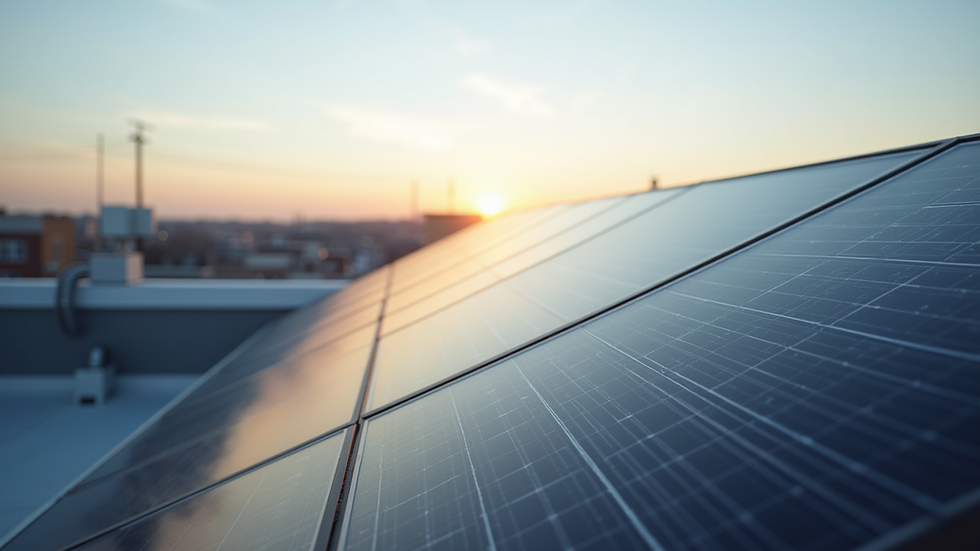
Solar power is generated by converting sunlight into electricity using photovoltaic (PV) cells. These cells are typically made from silicon and are designed to absorb sunlight and convert it into usable energy. The process is clean, renewable, and increasingly cost-effective.
How Solar Power Works
Photovoltaic Effect: When sunlight hits the PV cells, it excites electrons, creating an electric current.
Inverter Conversion: The direct current (DC) produced by the solar panels is converted into alternating current (AC) by an inverter, making it usable for home appliances.
Energy Storage: Excess energy can be stored in batteries for later use, ensuring a continuous power supply even when the sun isn't shining.
Grid Connection: Many solar systems are connected to the grid, allowing users to sell excess energy back to the utility company.
Benefits of Solar Power Solutions
Switching to solar power offers numerous advantages:
Cost Savings: Solar energy can significantly reduce your electricity bills. Many users report savings of 50% or more.
Environmental Impact: Solar power reduces reliance on fossil fuels, decreasing greenhouse gas emissions and contributing to a cleaner environment.
Energy Independence: By generating your own electricity, you become less dependent on utility companies and their fluctuating rates.
Increased Property Value: Homes with solar installations often see an increase in property value, making them more attractive to potential buyers.
Choosing the Right Solar Solution
When considering solar power, it's essential to evaluate your specific needs and circumstances. Here are some factors to consider:
1. Type of Solar System
There are several types of solar systems available:
Grid-Tied Systems: These systems are connected to the utility grid and are the most common. They allow for net metering, where you can sell excess energy back to the grid.
Off-Grid Systems: Ideal for remote locations, these systems operate independently of the grid and require battery storage to ensure a continuous power supply.
Hybrid Systems: Combining both grid-tied and off-grid features, hybrid systems offer flexibility and reliability.
2. System Size
The size of your solar system will depend on your energy needs. Conduct an energy audit to determine your average electricity consumption. This will help you choose the right number of panels and battery storage capacity.
3. Installation Location
The efficiency of your solar panels is influenced by their location. Consider the following:
Roof Orientation: South-facing roofs typically receive the most sunlight.
Shading: Ensure that trees, buildings, or other structures do not block sunlight from reaching your panels.
Space Availability: Assess how much space you have for installation, as this will impact the number of panels you can install.
Maximizing Efficiency
To get the most out of your solar power system, consider these strategies:
1. Regular Maintenance
Keeping your solar panels clean and well-maintained is crucial for optimal performance. Dust, debris, and snow can block sunlight and reduce efficiency. Schedule regular inspections and cleanings to ensure your system operates at peak performance.
2. Smart Energy Management
Implementing smart energy management practices can help you maximize your solar energy usage. Here are some tips:
Time Your Usage: Use energy-intensive appliances during the day when your solar panels are generating electricity.
Monitor Your System: Use monitoring tools to track your energy production and consumption. This can help you identify patterns and make adjustments as needed.
3. Invest in Energy Storage
Battery storage systems allow you to store excess energy generated during the day for use at night or during cloudy days. This can significantly increase your energy independence and reduce reliance on the grid.
4. Upgrade Your Appliances
Consider upgrading to energy-efficient appliances that consume less electricity. This will reduce your overall energy demand and allow you to make better use of the energy generated by your solar panels.
Case Studies
Residential Solar Success
A family in California installed a 6 kW solar system on their home. After conducting an energy audit, they realized they could reduce their electricity consumption by upgrading to energy-efficient appliances. As a result, they not only covered their energy needs but also generated excess energy, which they sold back to the grid, resulting in a net savings of over $1,200 annually.
Commercial Solar Implementation
A local grocery store decided to invest in a solar power solution to reduce operational costs. By installing a 100 kW solar system, they were able to cover 80% of their energy needs. The store also implemented energy-efficient lighting and refrigeration systems, further maximizing their energy savings. The initial investment paid off within five years, and the store now enjoys significant savings on its monthly utility bills.
Financial Incentives and Rebates
Many governments and organizations offer financial incentives to encourage the adoption of solar power. These can include:
Tax Credits: Federal and state tax credits can significantly reduce the upfront cost of solar installations.
Rebates: Some utility companies offer rebates for installing solar systems, providing additional savings.
Financing Options: Various financing options, such as solar loans and leases, make it easier for homeowners and businesses to invest in solar power without a large upfront payment.
Conclusion
Maximizing efficiency with solar power solutions is not just about installing panels; it involves understanding your energy needs, choosing the right system, and implementing smart practices. By investing in solar power, you can save money, reduce your carbon footprint, and contribute to a sustainable future.
Take the first step towards energy independence today by exploring solar power options that suit your needs. Whether you are a homeowner or a business owner, the benefits of solar energy are clear. Embrace the power of the sun and watch your energy costs decrease while making a positive impact on the environment.

Comments