Residential Solar Systems: Save Money and Energy
The rising cost of energy and the growing concern for the environment have made residential solar systems an attractive option for homeowners. With advancements in technology and decreasing installation costs, solar energy is no longer just a luxury for the affluent. It has become a viable solution for anyone looking to save money on energy bills while contributing to a sustainable future. In this blog post, we will explore how residential solar systems work, their benefits, the installation process, and what you need to consider before making the switch.
Understanding Residential Solar Systems
What is a Residential Solar System?
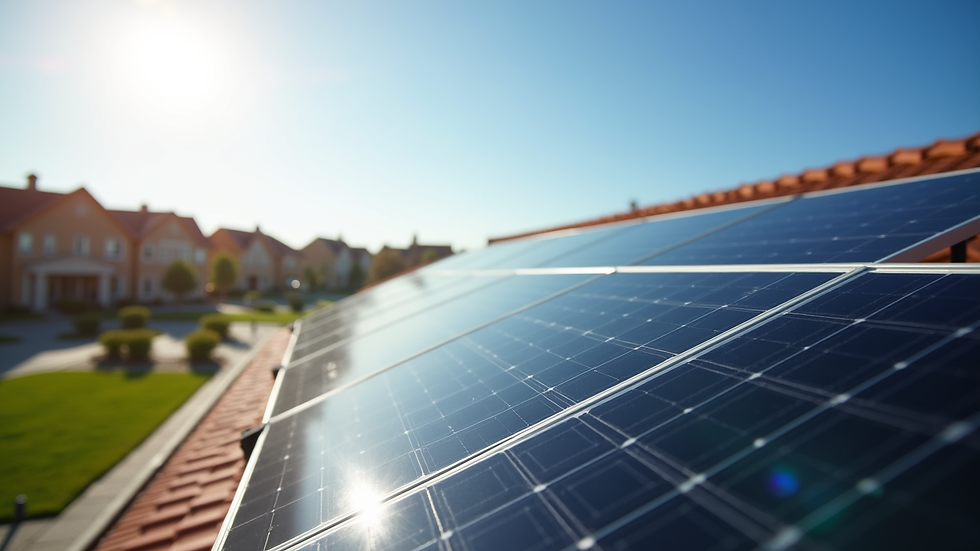
A residential solar system consists of solar panels installed on the roof or property of a home. These panels convert sunlight into electricity, which can be used to power household appliances, lighting, and heating systems. The primary components of a solar system include:
Solar Panels: These are made up of photovoltaic (PV) cells that capture sunlight and convert it into electricity.
Inverter: This device converts the direct current (DC) electricity generated by the solar panels into alternating current (AC) electricity, which is used in homes.
Mounting System: This secures the solar panels to the roof or ground.
Battery Storage (optional): Some systems include batteries to store excess energy for use during cloudy days or at night.
How Do Solar Systems Work?
When sunlight hits the solar panels, the PV cells generate electricity. This electricity can either be used immediately in the home or sent back to the grid. If the system produces more electricity than the home needs, the excess can be sold back to the utility company, often resulting in credits on the homeowner's energy bill.
Benefits of Residential Solar Systems
Financial Savings
One of the most compelling reasons to invest in a residential solar system is the potential for significant savings on energy bills. Here are some financial benefits:
Reduced Electricity Bills: Homeowners can save up to 50% or more on their monthly electricity costs.
Tax Incentives: Many governments offer tax credits and rebates for solar installations, which can significantly reduce the upfront costs.
Increased Home Value: Homes with solar systems often sell for more than those without, making it a smart investment.
Environmental Impact
Switching to solar energy is not just about saving money; it also contributes to a healthier planet. Here are some environmental benefits:
Reduced Carbon Footprint: Solar energy is a clean, renewable resource that reduces reliance on fossil fuels, lowering greenhouse gas emissions.
Sustainable Energy Source: Solar energy is abundant and will not run out, making it a sustainable choice for future generations.
Energy Independence
By generating your own electricity, you become less reliant on the grid and utility companies. This independence can provide peace of mind, especially during power outages or rising energy prices.
The Installation Process
Step 1: Consultation and Assessment
The first step in installing a residential solar system is to consult with a solar provider. They will assess your home’s energy needs, roof condition, and sunlight exposure. This assessment helps determine the size and type of system that will work best for you.
Step 2: Design and Proposal
Once the assessment is complete, the solar provider will design a custom solar system tailored to your needs. They will provide a detailed proposal, including costs, estimated savings, and financing options.
Step 3: Permitting and Financing
Before installation can begin, necessary permits must be obtained from local authorities. Additionally, homeowners can explore financing options, such as solar loans, leases, or power purchase agreements (PPAs).
Step 4: Installation
The installation process typically takes one to three days, depending on the system size. Professional installers will mount the solar panels, connect the inverter, and ensure everything is functioning correctly.
Step 5: Inspection and Activation
After installation, the system will undergo inspections to ensure it meets local codes and regulations. Once approved, the system can be activated, and you can start enjoying the benefits of solar energy.
What to Consider Before Going Solar
Roof Condition
Before installing solar panels, it’s essential to assess the condition of your roof. If your roof is old or in need of repairs, it may be wise to address those issues before installation.
Local Regulations and Incentives
Research local regulations and incentives that may affect your solar installation. Some areas have specific requirements for solar systems, and understanding these can help streamline the process.
System Size and Type
Consider your energy needs when choosing a system size. A larger system may provide more savings but will also come with higher upfront costs. Discuss options with your solar provider to find the best fit.
Maintenance and Longevity
Solar systems require minimal maintenance, but it’s essential to keep the panels clean and free of debris. Most solar panels come with warranties ranging from 20 to 25 years, ensuring long-term performance.
Common Myths About Residential Solar Systems
Myth 1: Solar Panels Are Too Expensive
While the initial investment can be significant, the long-term savings on energy bills and available incentives can make solar systems more affordable than many realize.
Myth 2: Solar Energy Is Only Effective in Sunny Areas
Solar panels can still generate electricity on cloudy days, although their efficiency may be reduced. Many regions with less sunlight still benefit from solar energy.
Myth 3: Solar Systems Require a Lot of Maintenance
Solar systems are designed to be low-maintenance. Regular cleaning and occasional inspections are typically all that is needed to keep them functioning optimally.
Conclusion
Investing in a residential solar system is a smart choice for homeowners looking to save money and reduce their environmental impact. With the potential for significant savings on energy bills, tax incentives, and the ability to generate your own electricity, solar energy is more accessible than ever. As technology continues to advance and costs decrease, now is the perfect time to consider making the switch to solar. Take the first step towards energy independence and sustainability by exploring your options today.

Comments